02. Operation and maintenance
An important factor in calculating lifecycle costs is operation and maintenance. It is easy to underestimate the difference between various flooring solutions, but small details can result in significant costs over time.
Hygiene and cleaning – an important cost driver
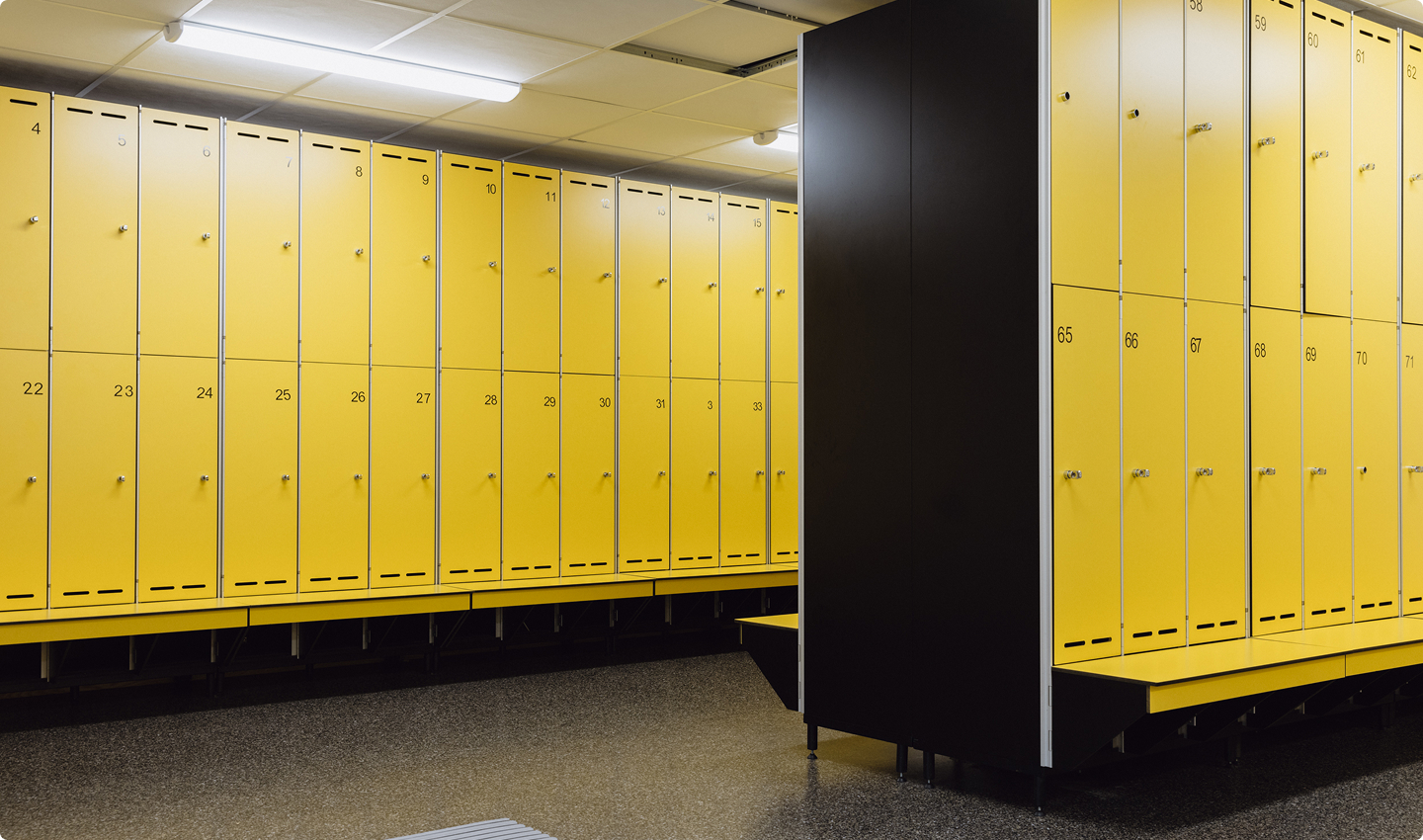
When a floor wears, cracks and porous surfaces develop that make it harder to keep clean. This is a particular challenge for businesses with strict hygiene requirements, such as food production, pharmaceutical companies, commercial kitchens, healthcare buildings, schools and changing rooms.
Et gulv som er vanskelig å rengjøre, krever:
- rn
- More working hours for thorough cleaning
- More use of cleaning agents
- More frequent specialised cleaning to maintain standards
- At risk of being rejected as a suitable substrate for on-site production
rn
rn
rn
rn
These factors can lead to significant additional costs over the floor’s service life.
Repairs and adaptations – unforeseen costs
In most industries, floors are subjected to heavy wear, heavy loads and changes in the premises over time. Machinery and production equipment are often replaced several times during the floor’s service life, which requires maintenance or adaptations. With a minimum curing time of 3–5 days before the solution can bear loads, this means costly operational disruptions and downtime.
When damage occurs to epoxy and polyurethane floors, the entire damaged section must be removed and replaced. These materials are hazardous waste, and will incur significant costs in connection with removal and proper disposal.
Production downtime and maintenance downtime can represent a significant cost over a floor’s service life. With Acrylicon, businesses can avoid these hidden costs and ensure lower operating costs, fewer disruptions and a flooring solution that lasts.
Lower lifecycle costs