Flake System – Floor
- Feature
- Decorative surface
- Feature
- Anti-slip in desired grade and saturation
- Suitable for
- Heavy foot traffic and moderate industry
- Thickness
- 2–3 mm



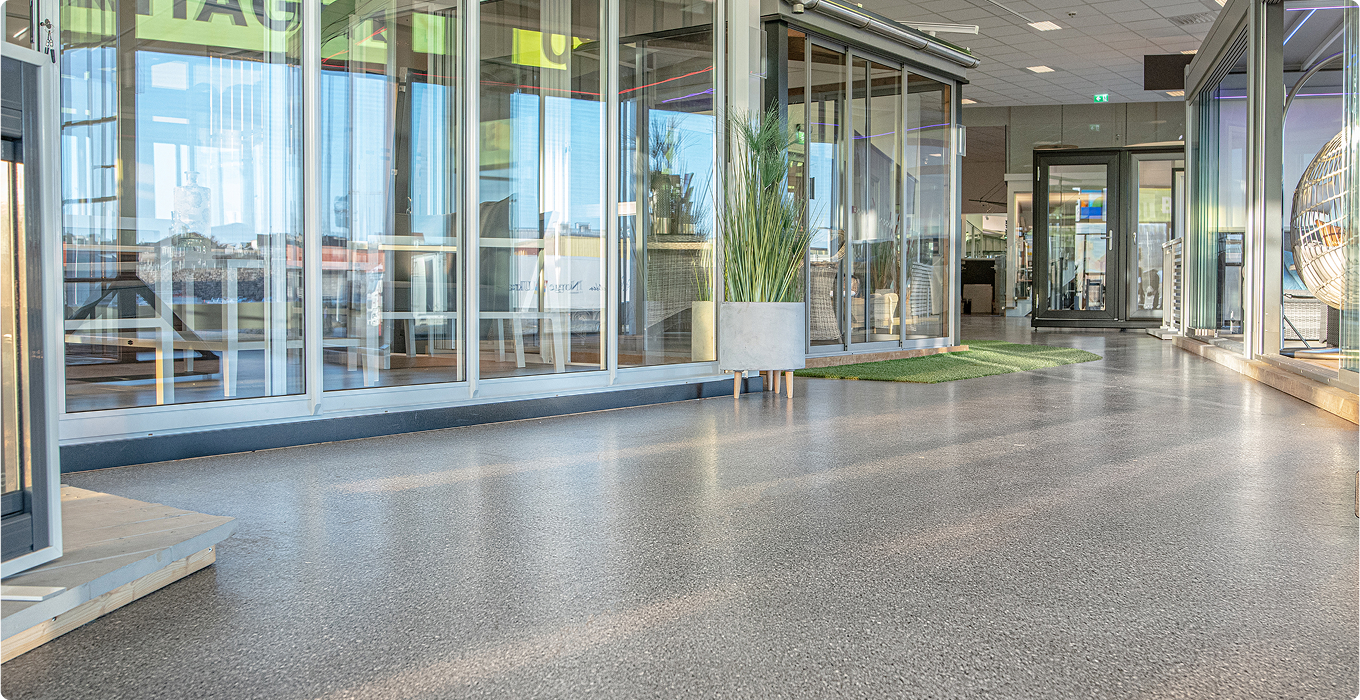
Retail flooring has to work for customers, deliveries and daily cleaning. We help you choose the right acrylic flooring for shops and shopping centres, with colours and finishes suited to the premises. The substrate, traffic and available closure periods all shape the specification.
Application
Customer traffic is only part of the load on a shop floor. Deliveries, shelving and cleaning equipment also affect the finish it needs. Entrances bring in water and dirt, while stock areas may handle repeated trolley movements. We map these uses with the people who run the premises before recommending a system.
For shopping centre flooring, the proposal should distinguish shared areas from individual shops. A wet entrance and a dry sales area may need different surface textures. Colours and transitions need to fit the interior as well as the cleaning routine. We include these details in the specification, alongside the expected traffic and condition of the concrete.
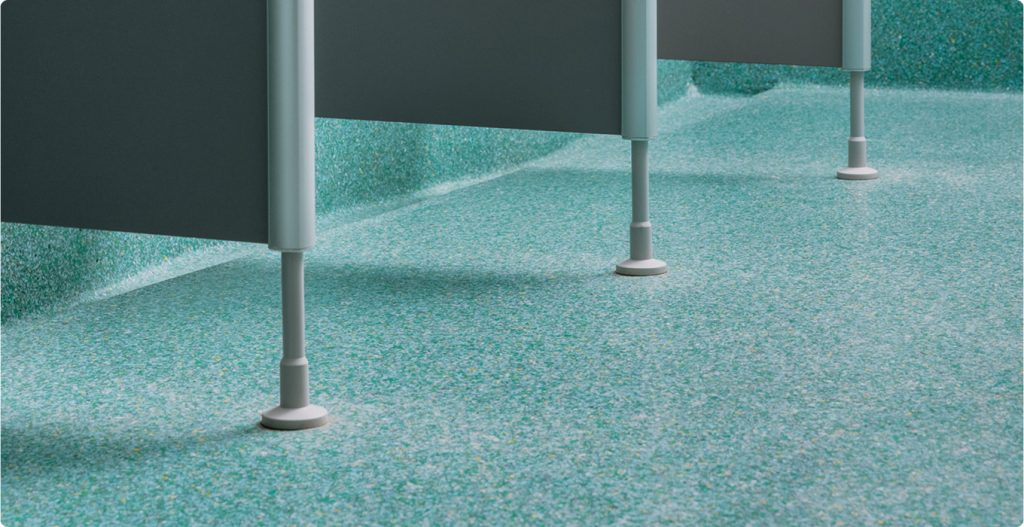
AcryliCon Flake System is a 2–3 mm acrylic floor with decorative flakes. It is designed for high traffic and moderate industrial use and is available in a range of colours. Different flake blends give the surface its pattern, allowing the finish to be considered alongside shop fittings and other materials.
The floor sample should be reviewed for more than its colour. Surface texture needs to suit the area and the cleaning equipment used by the operator. We discuss entrances, checkout areas and routes used by stock trolleys during the survey. The selected build-up and finish can then be stated for the actual uses in the store.
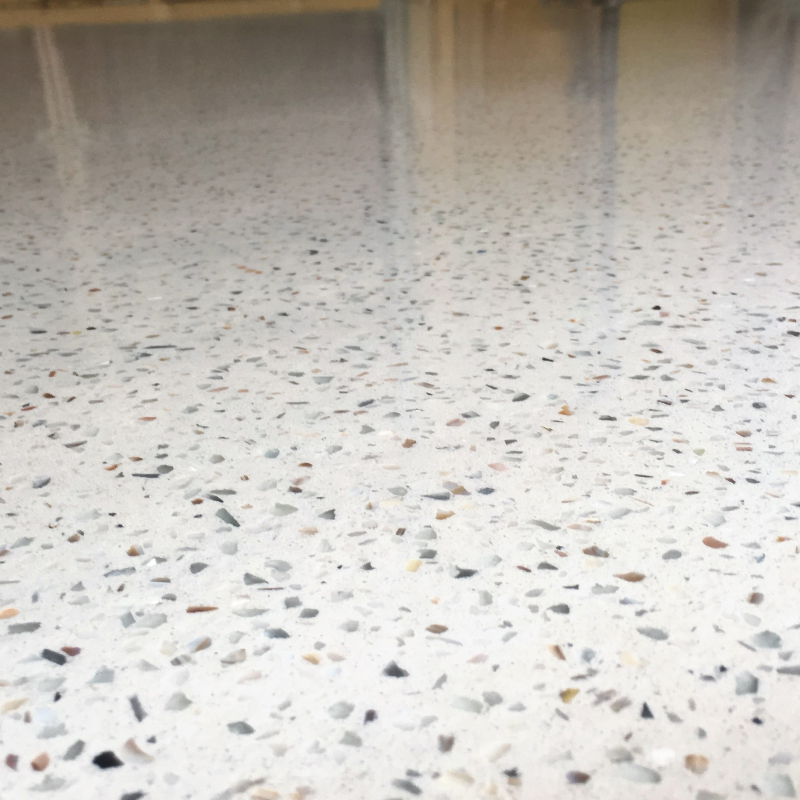
AcryliCon Composite Terrazzo is an option where the aggregate and pattern are part of the interior design. The product page describes an 8 mm floor combining stone aggregate with AcryliCon binder. Dividing strips can be used to create patterns and contrasting colours within the surface.
Available floor height and the substrate need to be reviewed before selecting this system. We also discuss how the new floor meets existing finishes at doors and adjoining areas. A sample and layout drawing help the project team agree the appearance and transitions before installation, rather than leaving those decisions to the final stage of the fit-out.
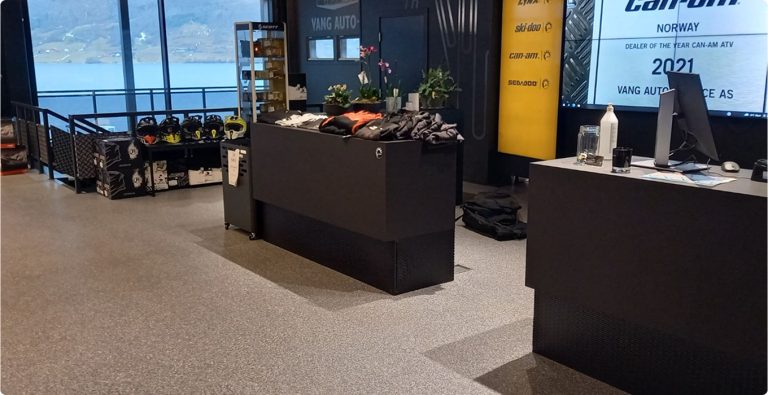
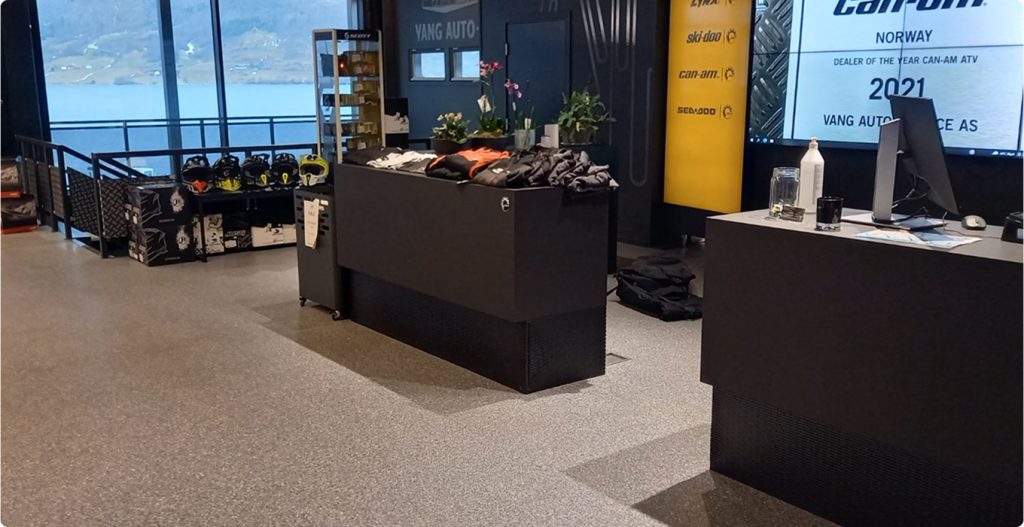
Vang Auto-Service in Valdres selected AcryliCon for both its retail and workshop areas. Flake System was installed in the retail premises, while the workshop received AcryliCon Décor System. The published project describes the business’s aim to improve the function and appearance of its premises.
The two systems were used for different parts of the same operation. This is a useful reference when a shop includes a workshop or other areas with different loads. It is a retail and workshop project; it does not establish a universal specification for every shopping centre. The system for another store is assessed against its layout and working conditions.
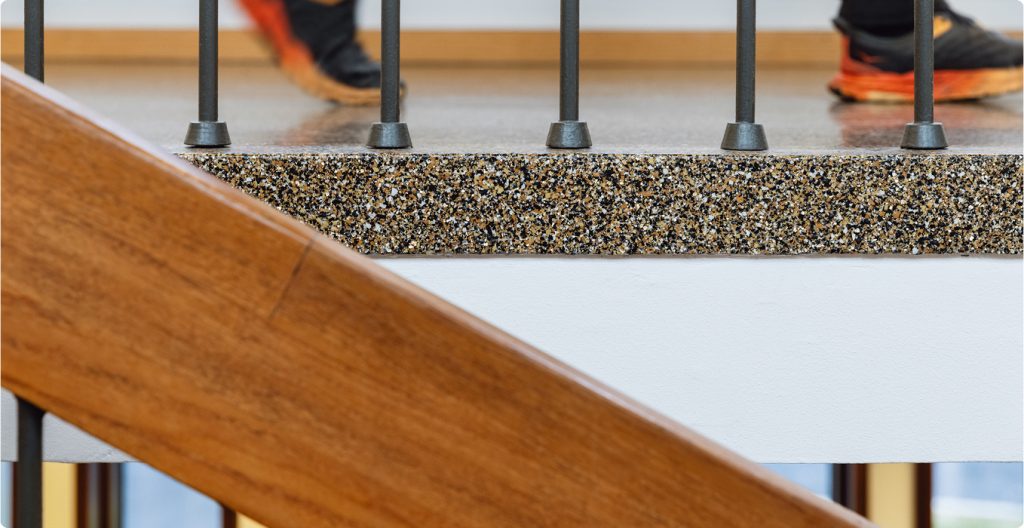
AcryliCon acrylic flooring is ready for full use 1–2 hours after installation is complete. Clearing fittings, preparing the substrate and installing the system take additional time. The reopening programme needs to include all of these tasks, as well as access for deliveries and the people working elsewhere in the building.
We inspect the concrete before agreeing the scope of preparation. Levelling Screed can be used where the substrate needs levelling before the floor finish. Phasing can be considered where the layout and other work allow it. Our curing time article helps explain the difference between the curing period and the whole installation programme.
A sealed surface without pores makes the floor easier to clean, while the texture still needs to match the cleaning method. We review that routine with the operator before specifying the finish. This links the choice of retail flooring to the work carried out after the store closes, as well as the appearance customers see.
A worn AcryliCon floor can be assessed for repairs or a new top coat. New layers bond chemically to the existing floor. This may allow changes when the store is refurbished, subject to checking the condition of the floor and substrate. Bring the layout, preferred finish and available closure periods when discussing a new acrylic floor for your shop.

How curing time, preparation and installation fit into the reopening programme.
Read more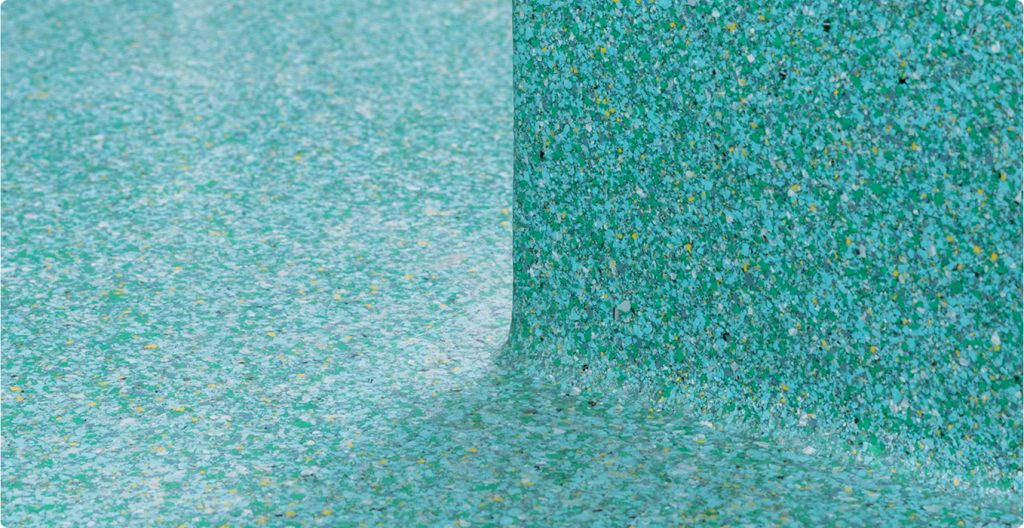
How floor layers and new surfaces bond chemically to each other.
Read more
How an existing floor can be assessed for repairs or a new top coat.
Read more
How a sealed surface without pores helps with cleaning.
Read moreFind your local AcryliCon contact to discuss the rooms, surface finish and installation schedule for your project.
Find your local contact