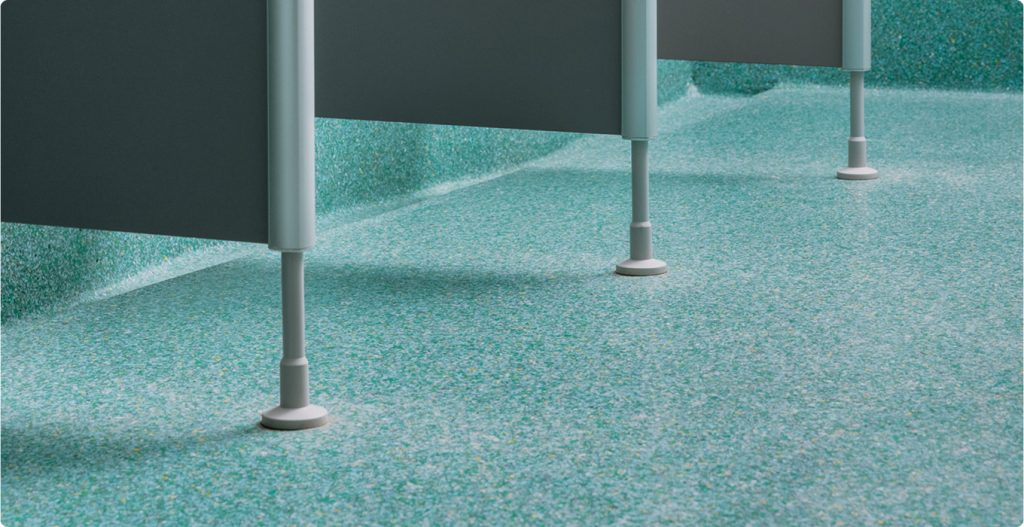
Flake System – Floor
- Feature
- Decorative surface
- Feature
- Anti-slip in desired grade and saturation
- Suitable for
- Heavy foot traffic and moderate industry
- Thickness
- 2–3 mm


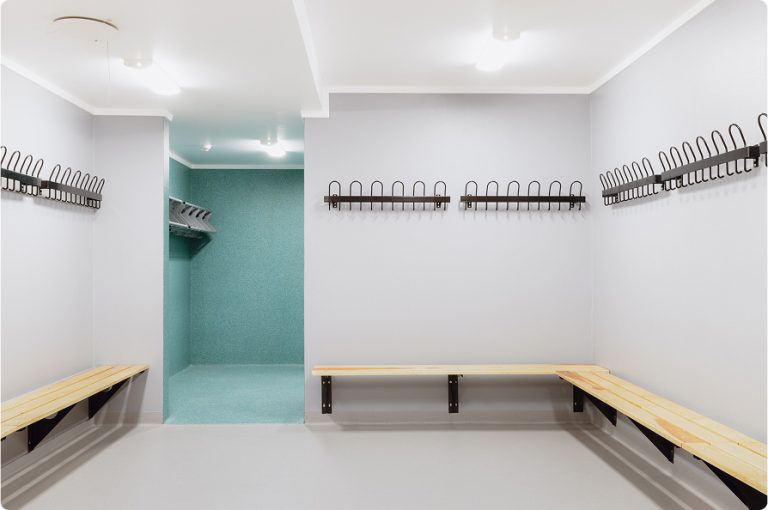
In schools and public buildings, floors have to cope with heavy foot traffic and daily cleaning, and the work often has to be done within limited periods while the building is empty. We help you choose the right flooring and wall coatings for corridors, changing rooms, showers and stairs.
Application
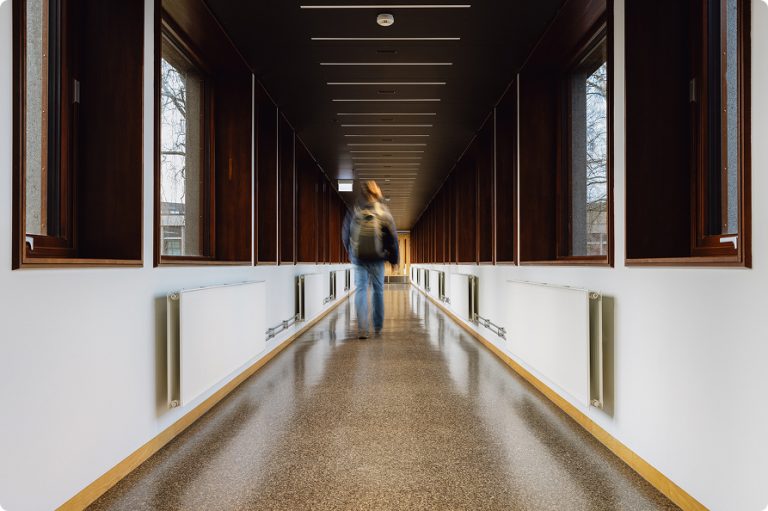
Older school buildings often need new wall and floor coverings that meet today’s requirements for safety, indoor climate, cleaning and sustainability. Haslum school had been in operation for more than 100 years. The problems were wear, areas that were difficult to keep clean and a lack of slip resistance. The upgrade also had to suit the building’s historic character.
At Haslum, the upgrade had to be completed within a tight timeframe before the start of the school year. It also had to be done without affecting the school’s daily operations.

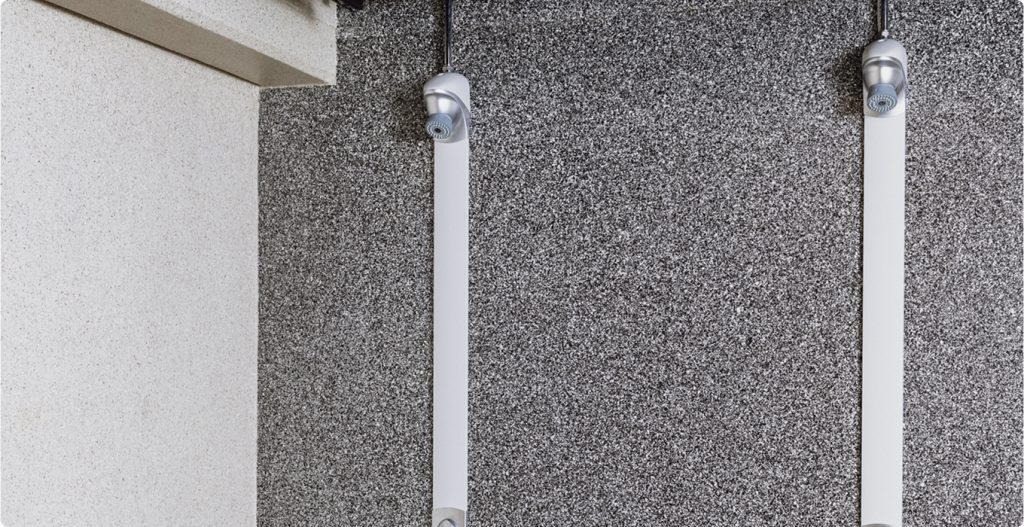
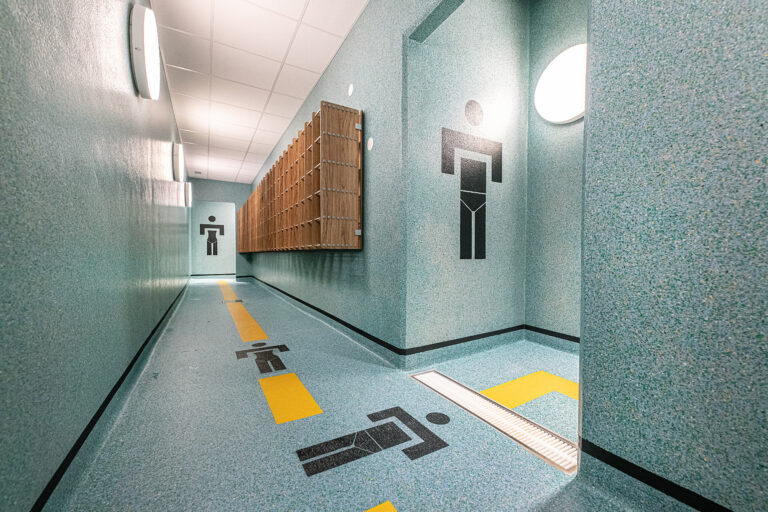
Wall System is a wall coating with decorative flakes or quartz sand in a chemically bonded system. It can be combined with AcryliCon floor systems, so an acrylic floor and wall form one continuous surface. The system is designed for changing rooms, showers, toilets, wet rooms and public areas.
Oslo municipality chose Stovnerhallen, a sports hall, as a pilot project for reducing maintenance costs. The facility had been stripped back to bare concrete. Groundwork, levelling and falls came first. AcryliCon then installed 819 m² of Flake on the floors and 568 m² of WallSystem Flake on the walls, with Wall System in semi-wet and wet zones.
AcryliCon is an acrylic floor that is ready for full use 1–2 hours after installation is complete. Preparation, removal of old coverings and installation take additional time. At Haslum school, the finished floors were left to cure overnight before work on the walls began.
The work covered floors and walls in corridors, changing rooms, showers and toilets: 152 m² of Flake on the floors, and 208 m² of WallSystem Flake and 233 m² of Mono-color on the walls. AcryliCon was chosen based on Asker municipality’s experience from similar projects and recommendations from Oslo municipality. The case study states that the systems have needed no maintenance since installation.
The client decides which emission requirements apply in each project. We provide documentation for the finished system that will be installed, including the relevant emission classification and safety data sheets. See also our overview of certifications and approvals.
M1 is a voluntary emission classification for building materials. It covers emissions from the material into indoor air, not exposure during installation. The classification is granted for a specific product and is valid for three years. Ask for valid documentation for the product that will actually be used.

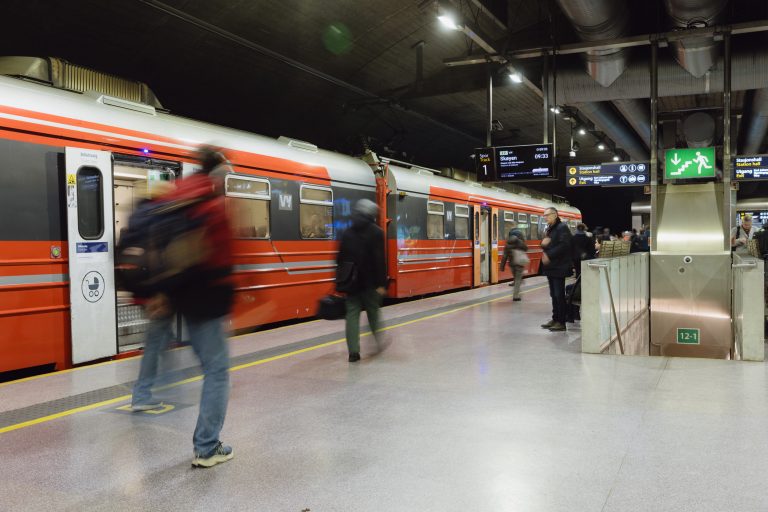
Nationaltheatret station has over 40,000 passengers a day. Flake System was installed on two 250-metre platforms in 2006 and 2008, a total of 7,200 m². The case study describes nearly 20 years of continuous use without signs of significant wear. The floor is cleaned with standard cleaning machines and resists chewing gum marks and damage from suitcase wheels. It also has colour-coded and tactile safety markings.
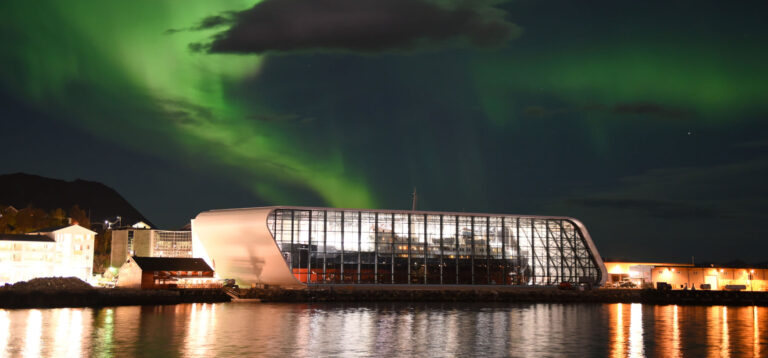
Hurtigrutemuseet in Stokmarknes opened on 28 August 2021 and houses the ship MS Finnmarken from 1956. AcryliCon installed floor systems in the building so that the museum can handle high visitor traffic. The floors also help the museum maintain a high standard of hygiene and maintenance.
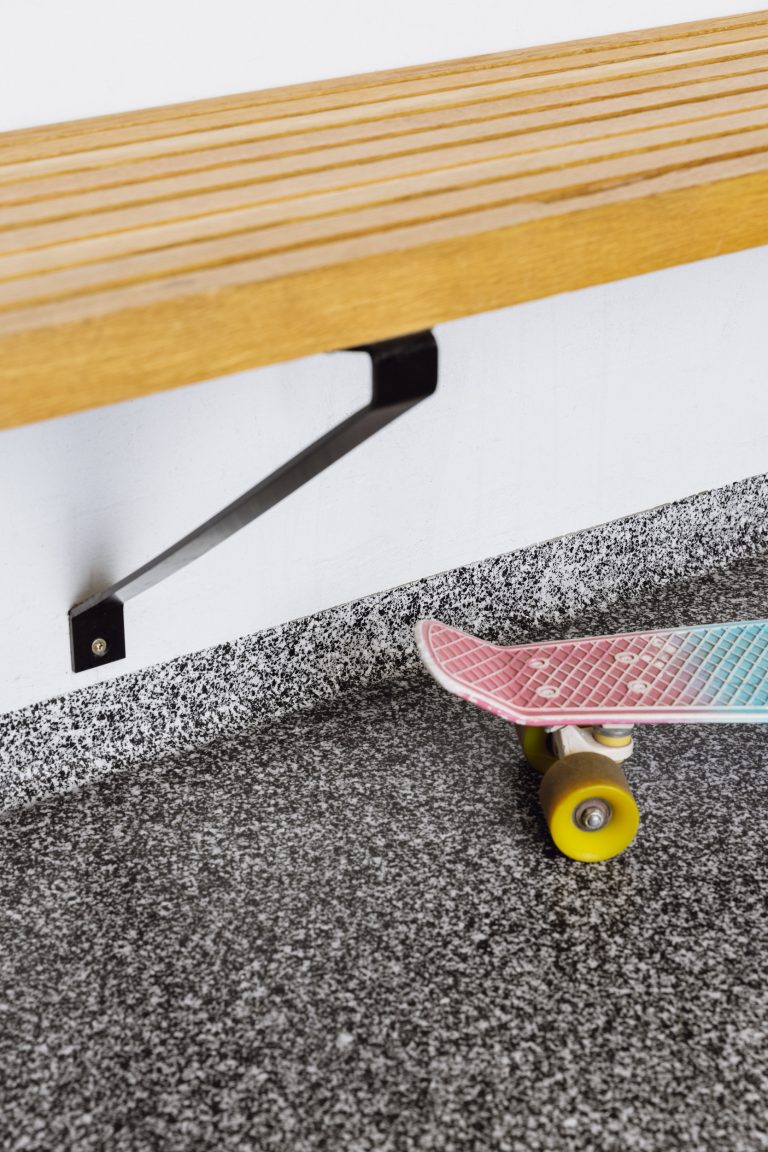
Flake System is a 2–3 mm floor with decorative flakes. It is designed for high traffic and moderate industrial use and is available in a wide range of colours. It suits corridors, changing rooms and public areas. Wall System is used on walls in wet areas, and Décor System in kitchens and heavy technical areas. Multi-Grip is used on outdoor walkways and ramps. All are acrylic systems.
If the surface becomes worn over time, the floor can be ground down and given a new top coat that bonds chemically to the existing one. This makes it possible to renew the floor instead of removing it. We survey the building and recommend a system, colour and level of slip resistance for each room.
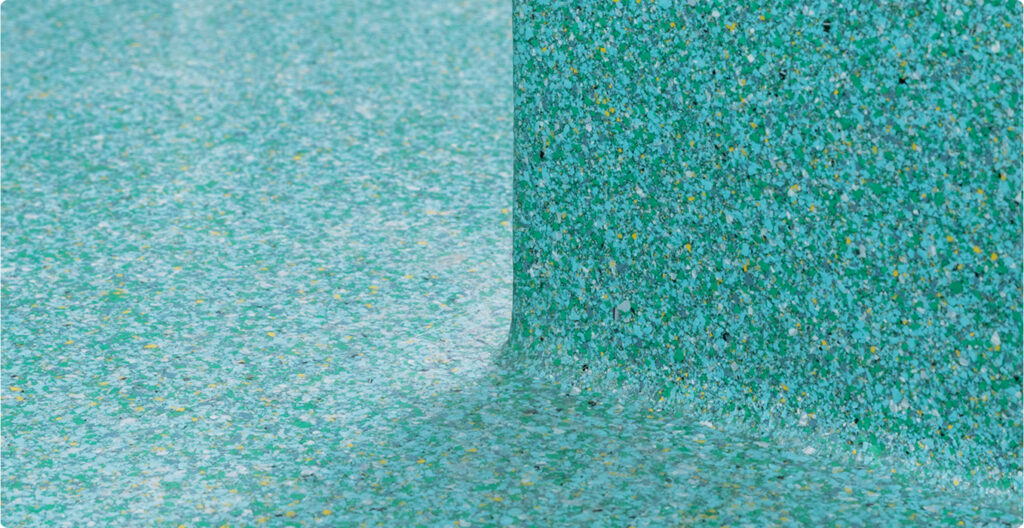
An overview of certifications and approvals for AcryliCon systems.
Read more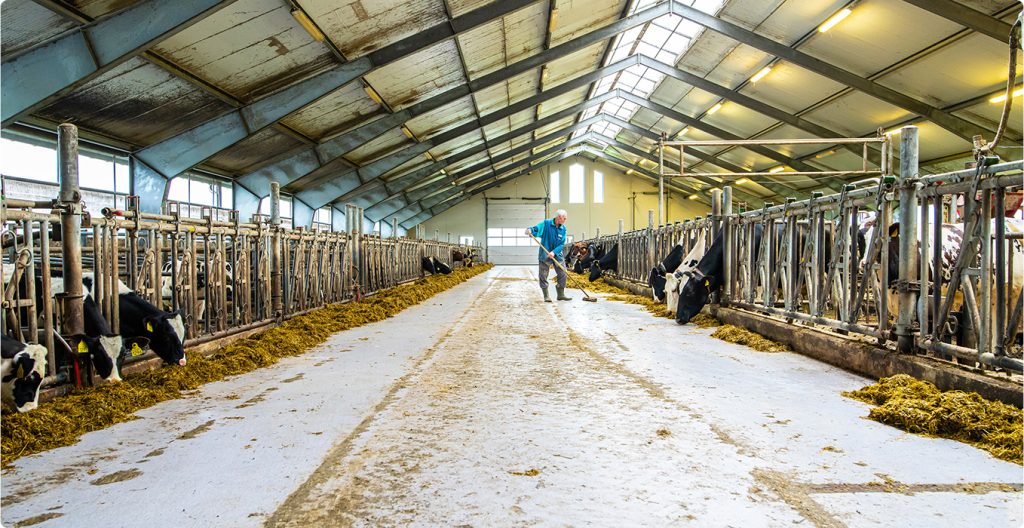
Why a sealed, non-porous surface is easier to keep clean in changing rooms and wet areas.
Read more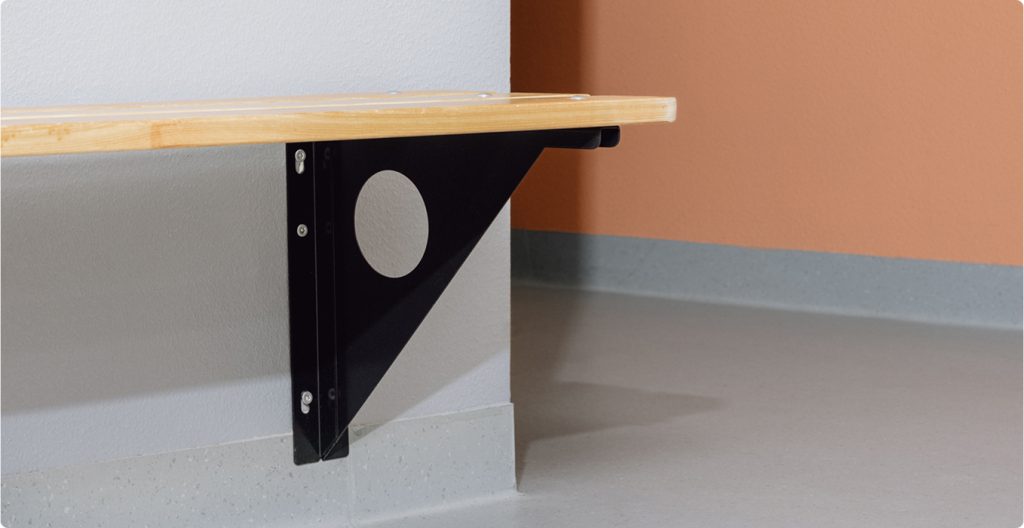
How a worn floor can be repaired or renewed instead of being removed.
Read more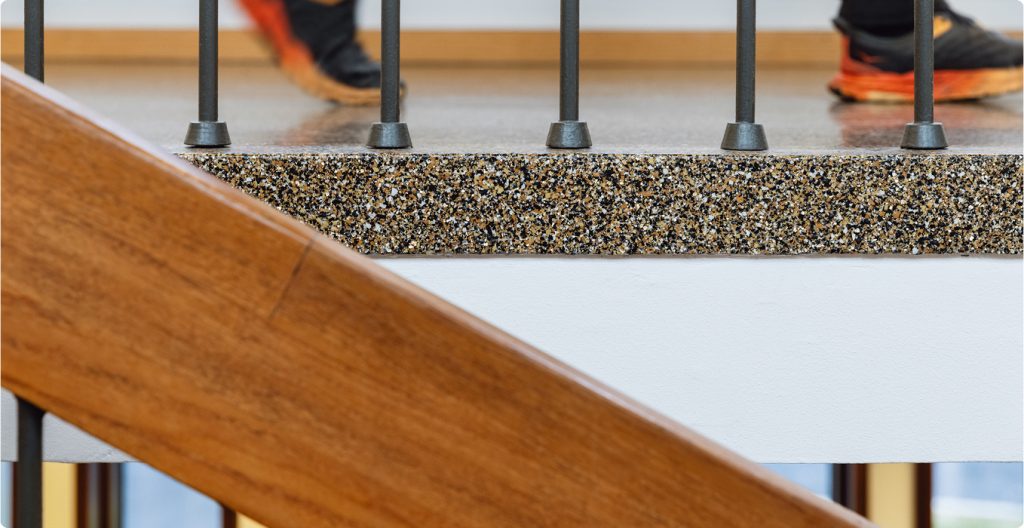
What curing time means for the schedule, alongside preparation and installation.
Read moreFind your local AcryliCon contact to discuss the rooms, surface finish and installation schedule for your project.
Find your local contact