03. Service life
The most important factor for lifecycle cost is how long the floor actually lasts.
So how long does an industrial floor actually last?
Most seamless industrial floors are subjected to mechanical, chemical and thermal stress. Under heavy use, epoxy and polyurethane floors have a typical service life of 5 to 10 years before they lose their most important properties. The surface becomes porous, cracks or delaminates, leading to functional failure and the need for replacement.
Acrylicon floors, on the other hand, have a documented significantly longer service life. Some of the earliest floors Acrylicon installed in the late 1970s are still in daily use – over 45 years later. A good example is the central kitchen at Ullevål Hospital from 1984. These floors are subjected to heavy stresses and frequent changes, and still function optimally today.

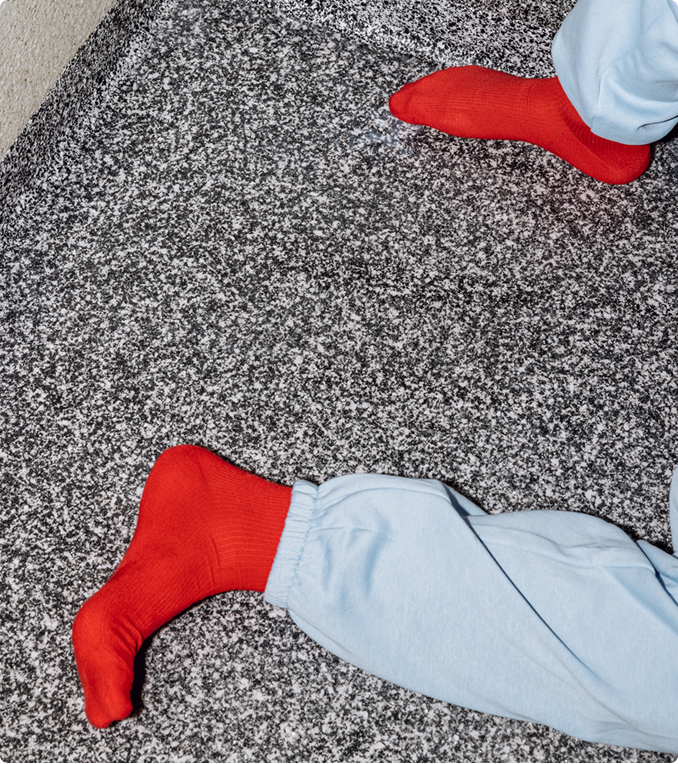
Same initial investment – far more economical over time
One of the main reasons Acrylicon floors last 30–40 years is that they can be renewed instead of replaced. Thanks to chemical bonding, the floor can be ground down and a new wear layer applied, which becomes just as strong and wear-resistant as a completely new floor because the new Acrylicon layer bonds chemically to the existing one. The solution becomes monolithic and the repair as strong as the original floor.
Epoxy and polyurethane can also be ground down. However, a new top layer will not bond chemically to the existing floor, but is only adhered to the existing layer through mechanical adhesion. This can lead to the floor becoming weaker, requiring removal of the old floor, redoing the groundwork and laying a completely new floor – a far more expensive and time-consuming process.
Where epoxy and polyurethane floors must be replaced, Acrylicon can be renewed – a solution that saves both time and money.
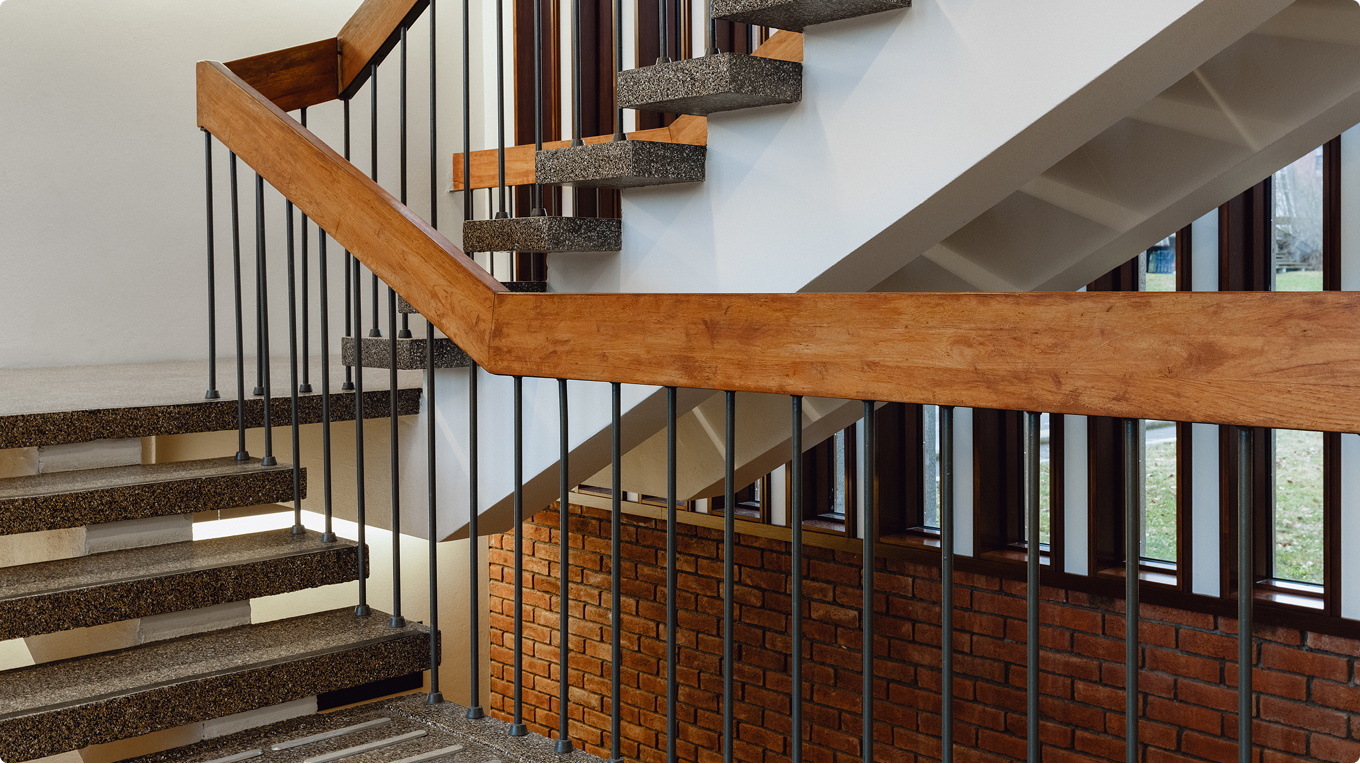
Store besparelser i tid, kostnad og miljø
- rn
- Fornyelse av AcryliCon-gulv er betydelig rimeligere enn å fjerne og erstatte epoksy- eller polyuretan-gulv
- Kostnaden ved produksjonsstans reduseres, siden løsningen kan tas i bruk meget raskt
- Miljøvennlig løsning: Epoksy- og polyuretan-gulv må behandles som spesialavfall på grunn av innholdet av giftstoffer, noe som har blitt meget kostbart. Acrylicon er helt giftfritt, og alle gulvrester kan gjenvinnes og må ikke behandles som spesialavfall.
rn
rn
rn
Lower lifecycle costs