Décor System – Floor
- Feature
- Extreme wear resistance
- Feature
- Anti-slip in desired grade and saturation
- Feature
- For wet areas and heavy industry
- Thickness
- 4 mm


Fish processing flooring has to work with wet surfaces, frequent washing and movement of equipment. AcryliCon acrylic coatings are adapted to the loads in each area, with a focus on slip resistance, wear resistance and well-finished drain transitions. For aquaculture facilities, we can also offer coatings for concrete tanks and walls, adapted to the environment and requirements of the facility.
Application
Receiving, processing and packing areas do different jobs. Water and product residues affect the surface finish, while trolleys and handling equipment add mechanical wear. A fish processing floor should be specified for these conditions, including the cleaning methods used between production runs.
We review the substrate, traffic routes and drain positions before recommending a system. The same survey identifies details around equipment and wall junctions. In an aquaculture facility, coatings inside tanks have a different role from the floors used by staff. We assess these surfaces separately, even when they form part of one project.
AcryliCon Décor System is designed for wet areas, including fish processing. Its slip resistance can be specified in the grade needed for the area. Coved skirting forms a rounded transition between the floor and wall. Chemical bonding joins this transition to the floor, giving cleaning staff a continuous surface to work along.
AcryliCon acrylic flooring has a sealed surface without pores or air pockets where dirt can collect. The floor still needs the facility’s regular cleaning procedures. AcryliCon Wall System can be combined with the floor where walls also need a washable finish. Compatibility with cleaning chemicals is assessed for the actual substance, concentration and temperature.

The floor is ready for full use 1–2 hours after installation is complete. Grinding, repairs to concrete and work on falls to drains take additional time. We include these tasks when planning how long an area needs to be out of service, rather than using curing time as the whole programme.
A phased installation may be considered where the layout and production schedule allow it. Equipment access and movement between work areas have to be planned as well. Levelling Screed can be used to level uneven substrates or form falls before the selected finish is installed. Our curing time article explains the distinction between installing a floor and waiting for it to cure.
Bremnes Seashore’s smolt facility in Trovåg used AcryliCon surface treatment for the RAS facility, concrete tanks and floors during a major expansion. RAS stands for recirculating aquaculture system. The treatment was carried out before the facility entered service, as part of planning for future operation and maintenance.
This is an aquaculture project, with tanks and circulation equipment as well as working floors. It illustrates why the specification needs to cover both horizontal and vertical concrete surfaces. The published project describes the scope of the protection; it should not be read as a fish processing factory reference or a universal performance guarantee.

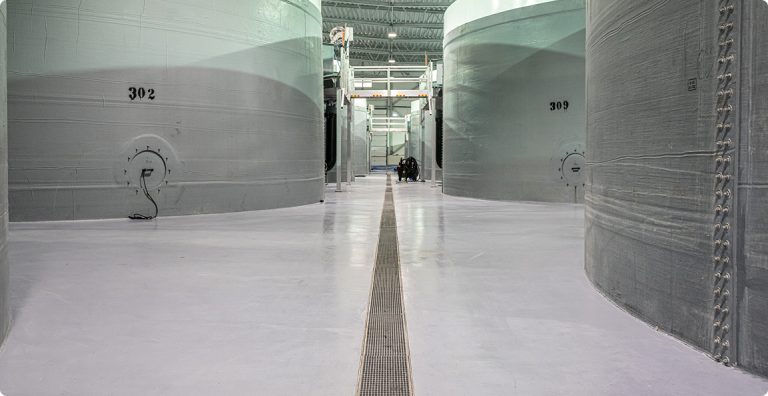
At HIMA Seafood’s land-based trout facility in Rjukan, the documented delivery covered 54 tanks and a total of 39,000 m² of surface treatment. That figure is the total surface treatment of the fish tanks. The project record gives a start in April 2023 and completion in March 2025.
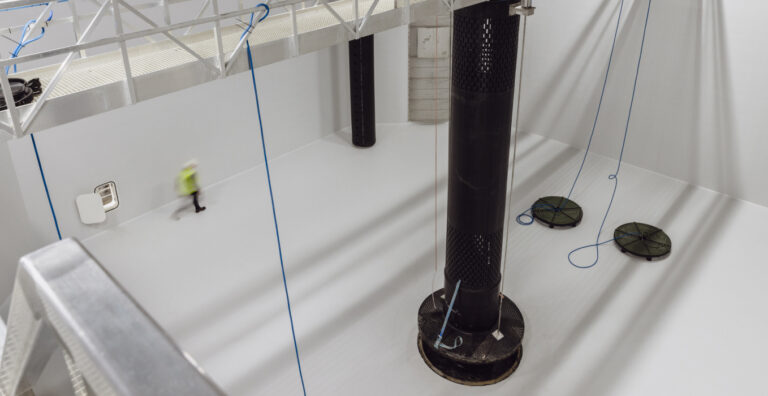
AcryliCon TankCoating System is developed for applications including land-based aquaculture and protects concrete on horizontal and vertical surfaces. Its use inside a tank needs to be specified for that tank and its operating conditions. We discuss cleaning, service access and the required documentation with the project team before selecting the coating.
AcryliCon Décor System is a starting point for wet production floors. AcryliCon Industry System is a trowel-applied mortar system intended for heavy mechanical wear, with cold rooms among its applications. TankCoating and Wall System address different surfaces around the floor. The proposal should identify the system, finish and junction details for each area.
An existing AcryliCon floor can be assessed for local repairs or a new top coat. New layers bond chemically to the existing floor, as described in our article on repair and renewal. We check its condition before recommending this approach. Bring the cleaning schedule, layout and available shutdown periods when discussing acrylic flooring for your facility.

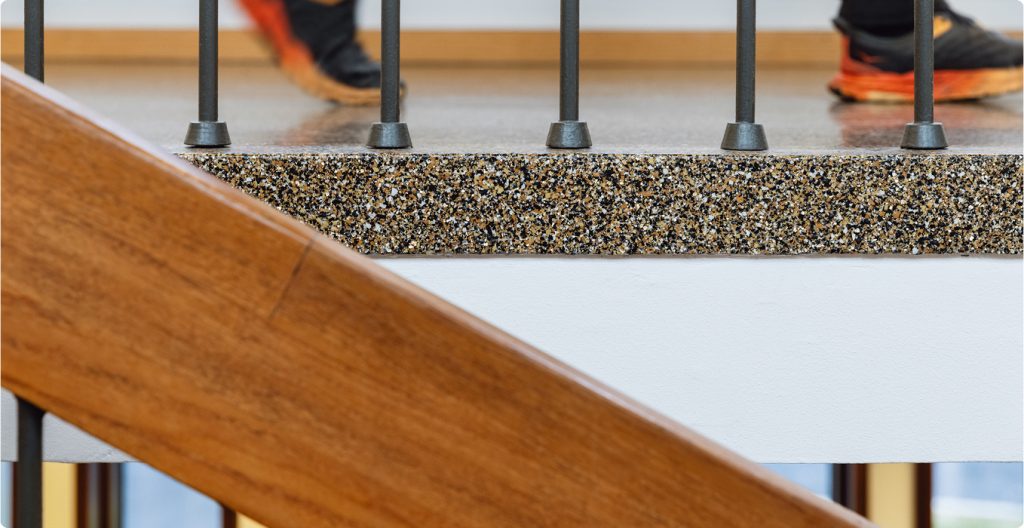
How curing time, preparation and installation fit into the reopening programme.
Read more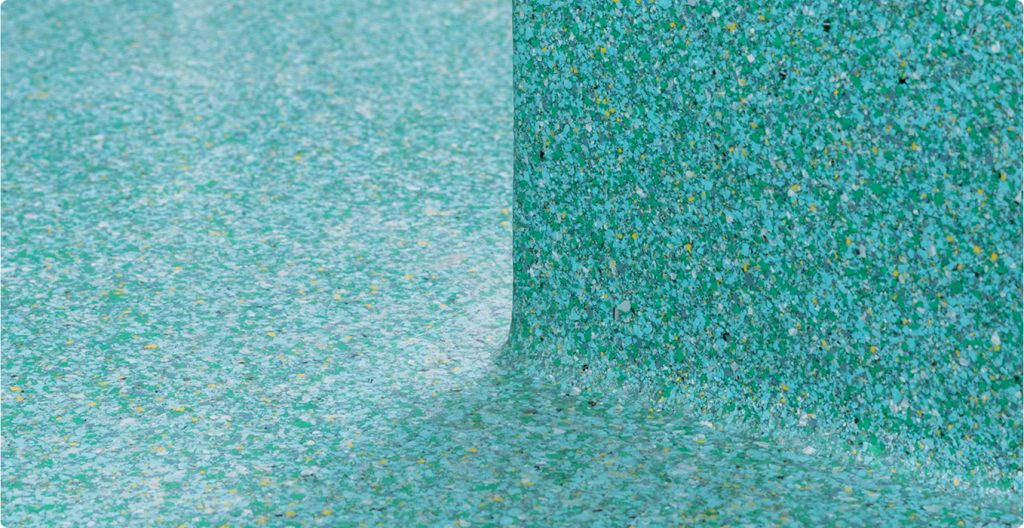
How floor layers and new surfaces bond chemically to each other.
Read more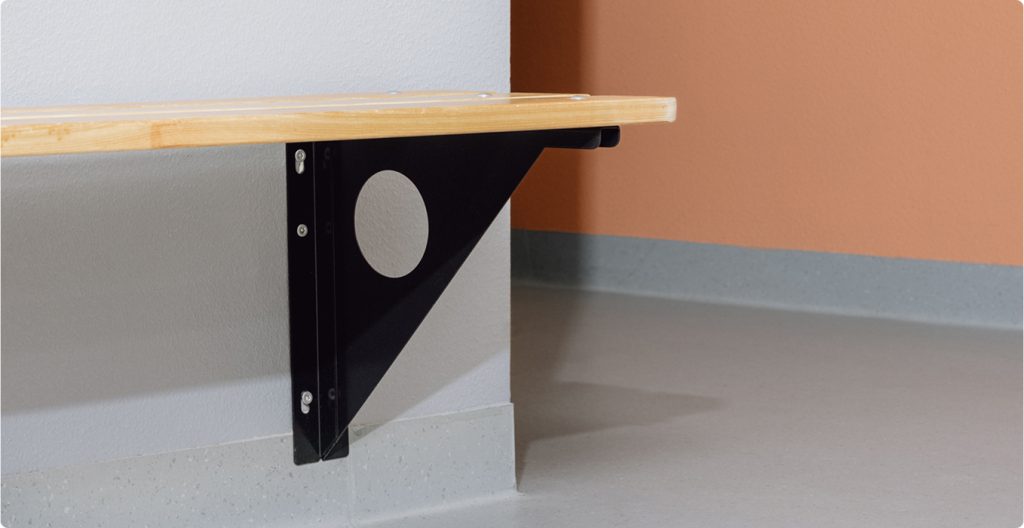
How an existing floor can be assessed for repairs or a new top coat.
Read more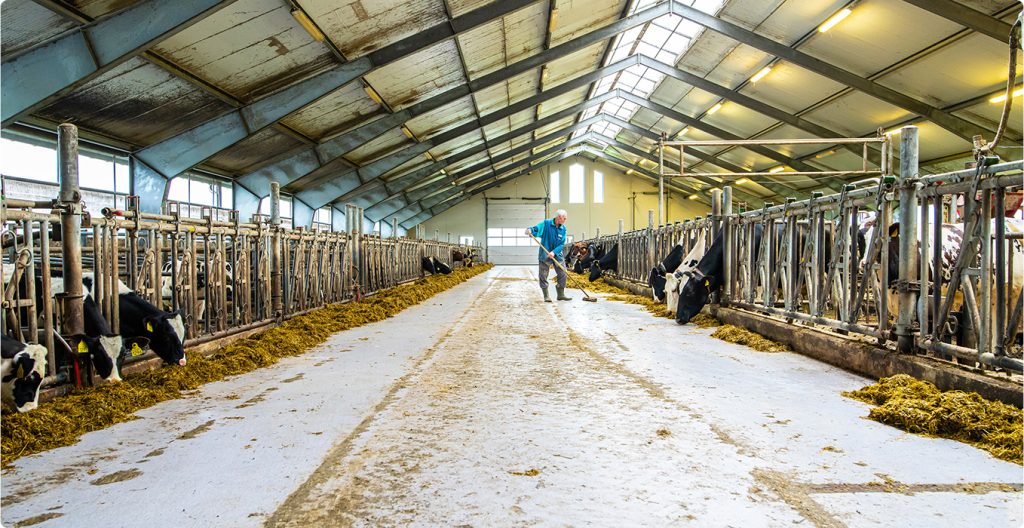
How a sealed surface without pores helps with cleaning.
Read moreFind your local AcryliCon contact to discuss the rooms, surface finish and installation schedule for your project.
Find your local contact