Variant System – Floor
- Feature
- Variant System - Floor
- Feature
- Extremely high compressive strength
- Suitable for
- Heavy industry and clean environments
- Thickness
- 1–3 mm


An industrial floor should be selected for the machinery, traffic and substances it will encounter. We specify our acrylic flooring for mechanical and chemical industry, assessing both the finish and substrate. Chemical resistance is checked against the actual operating conditions.
Application
Machinery, handling equipment and movement of materials all affect a production floor. Where chemicals are used, the substances and method of use need to be described as well. We start with a review of production areas, traffic routes and cleaning procedures before recommending industrial flooring for the building.
A chemical resistant industrial floor needs a specification tied to the substances it will meet. Occasional spills and repeated exposure are different conditions. We assess the chemical, concentration, temperature and contact time for the chosen system. Bring the chemical list to the survey so that the proposal can identify the technical information required for your process.
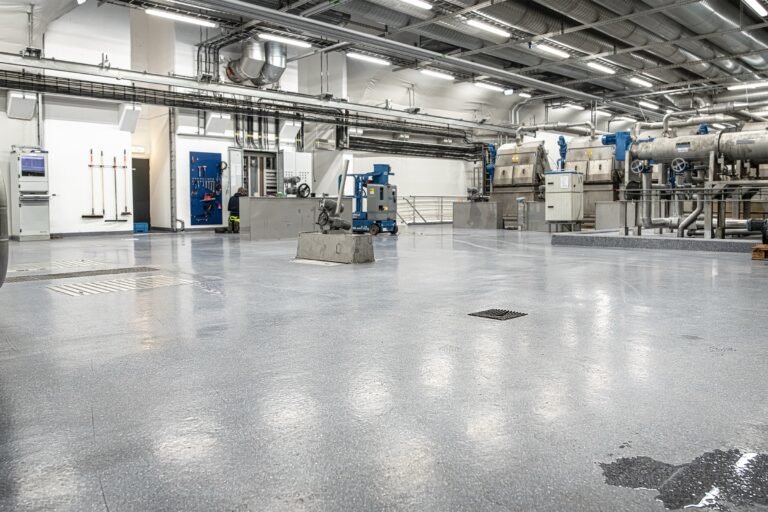
AcryliCon Variant System is a single-coloured, self-levelling acrylic floor that can be installed with or without flakes. The product page states a thickness of 1–3 mm and applications including machine industry, laboratories and pharmaceutical production. The finish and build-up are selected for the work in the room.
AcryliCon Décor System is designed for wet areas and heavy technical areas. Slip resistance can be supplied in the required grade. Coved skirting gives a rounded transition between the floor and wall. We discuss these junctions alongside the main floor, including details around equipment and the cleaning methods the operator will use.

Industry System is a trowel-applied mortar system for heavy mechanical wear indoors and outdoors. Levelling Screed can be used for levelling, concrete repairs and preparing substrates. These systems have a different role from a thin surface treatment, and the required work depends on the condition of the concrete.
Variant Paint forms a thin sealing layer on concrete. It can be assessed where sealing is the task, while the traffic and wear still determine whether that build-up is suitable. The proposal should identify the system, substrate preparation and operating conditions for each area, so the person comparing options can see what the finish is intended to do.
IVAR IKS in Rogaland selected Décor for floors and Variant Paint for walls in one of its technical facilities. IVAR works with water supply and wastewater management. The published project describes the operator’s requirements for wear resistance, cleaning and maintenance in that facility.
The project documents a combination of systems on horizontal and vertical surfaces. It is a useful reference when considering a technical plant with different surface duties. It does not specify resistance to every process chemical. For another facility, the system and supporting data need to be checked against that site’s equipment, cleaning agents and operating conditions.
AcryliCon acrylic flooring is ready for full use 1–2 hours after installation is complete. Grinding, repairing the substrate and installing the system take additional time. The programme also needs to cover equipment movements and access for the other work taking place in the production area.
Phased installation can be considered where areas can be separated and the operating layout allows it. We agree the preparation and reopening arrangements after the survey. Our curing time article explains one part of this programme. The available shutdown period must be compared with the complete scope, including any levelling or repairs needed before the floor is laid.
Moving machinery or changing a production line can leave areas needing repairs or a new finish. New AcryliCon layers bond chemically to an existing AcryliCon floor. This allows repair and renewal to be considered after the condition of the floor and substrate has been checked.
Before selecting acrylic flooring for mechanical or chemical industry, we review the loads, substances and cleaning routine with the operator. Bring a layout, chemical list and possible shutdown dates to the discussion. These give us a basis for specifying each zone and identifying the technical documentation that needs to be agreed before work begins.
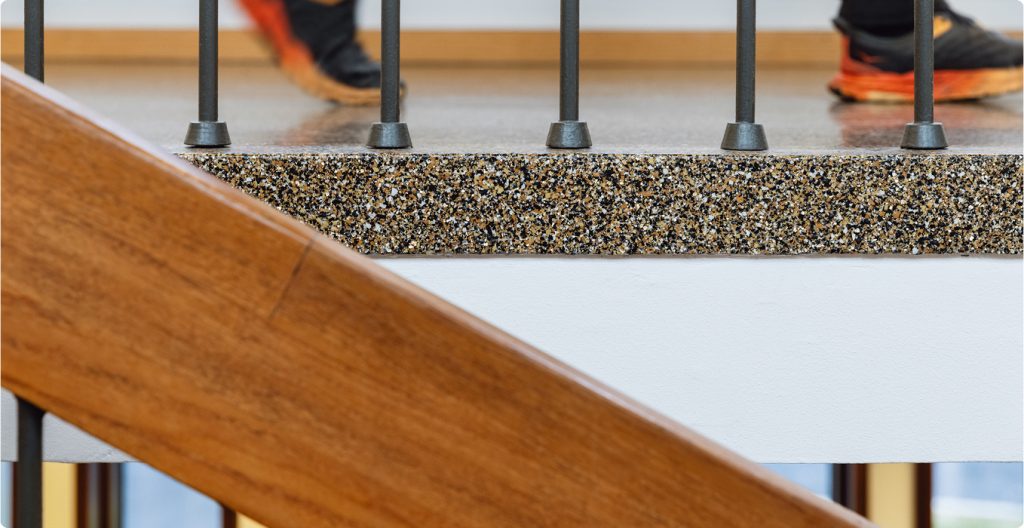
How curing time, preparation and installation fit into the reopening programme.
Read more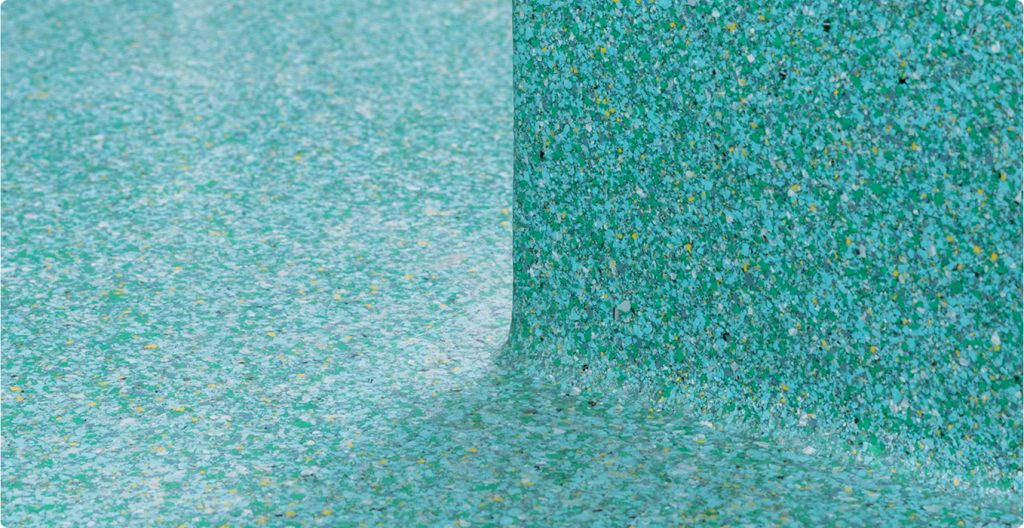
How floor layers and new surfaces bond chemically to each other.
Read more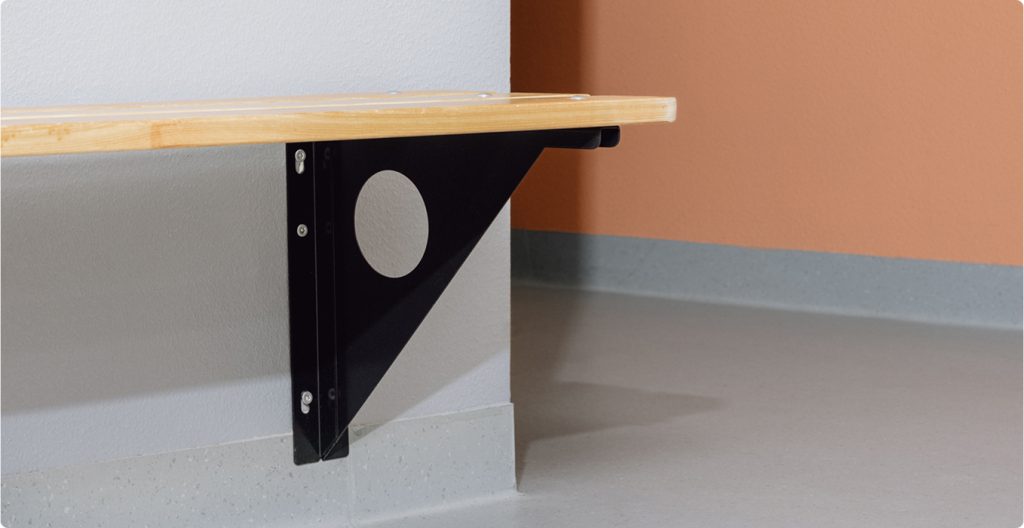
How an existing floor can be assessed for repairs or a new top coat.
Read more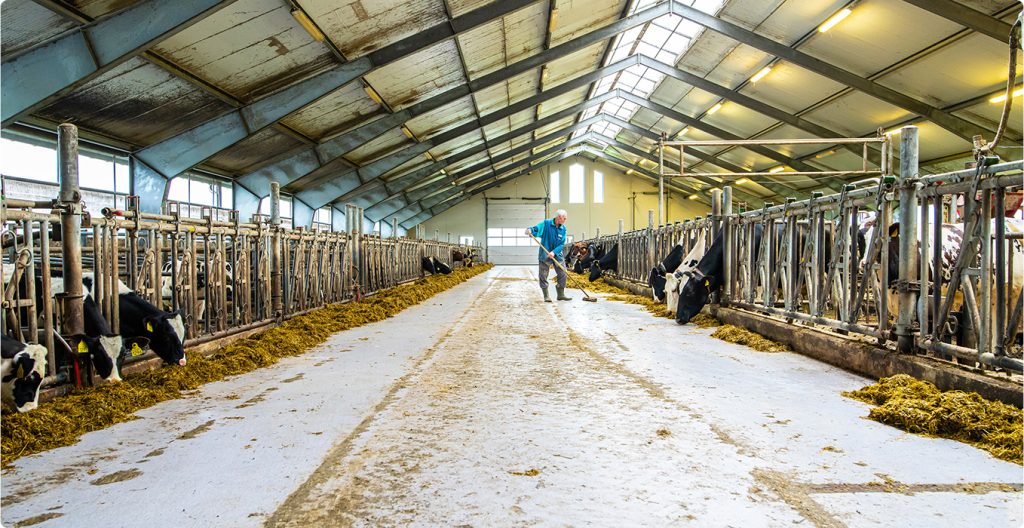
How a sealed surface without pores helps with cleaning.
Read moreFind your local AcryliCon contact to discuss the rooms, surface finish and installation schedule for your project.
Find your local contact