Décor System – Floor
- Feature
- Extreme wear resistance
- Feature
- Anti-slip in desired grade and saturation
- Feature
- For wet areas and heavy industry
- Thickness
- 4 mm



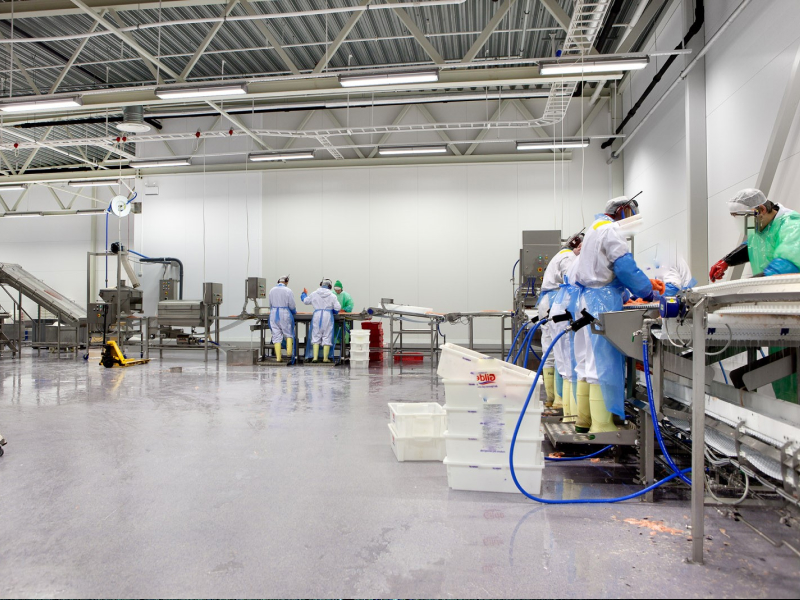
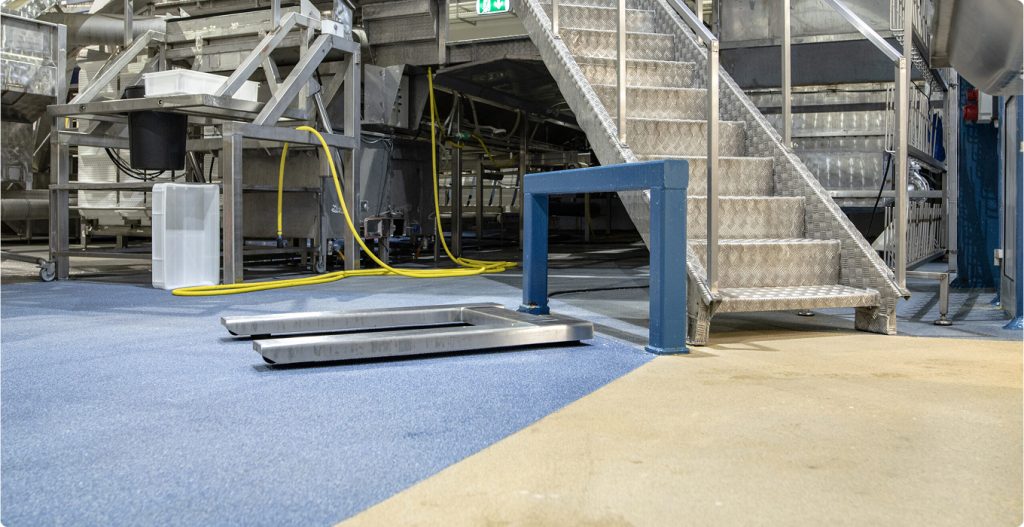
In food processing, floors are exposed to water, temperature changes and daily cleaning. The surface needs to be sealed, and the junctions with walls and drains need to be easy to clean. We help you choose the right acrylic flooring, coves and suitable slip resistance for each production area.
Application
In a food production facility, floors are exposed to water, grease and cleaning agents. Forklift traffic and large temperature differences between cold rooms and production areas often add to the load. As a floor wears, cracks and porous areas appear that are harder to clean. Cleaning then takes more working hours and more cleaning agents. In the worst case, the floor may be rejected as a suitable surface for production.
Dirt collects easily where the floor meets walls, drains and machine bases. When you choose a floor, look at these junctions as closely as at the surface itself. You should also consider how long the business can suspend production while a new floor is installed.
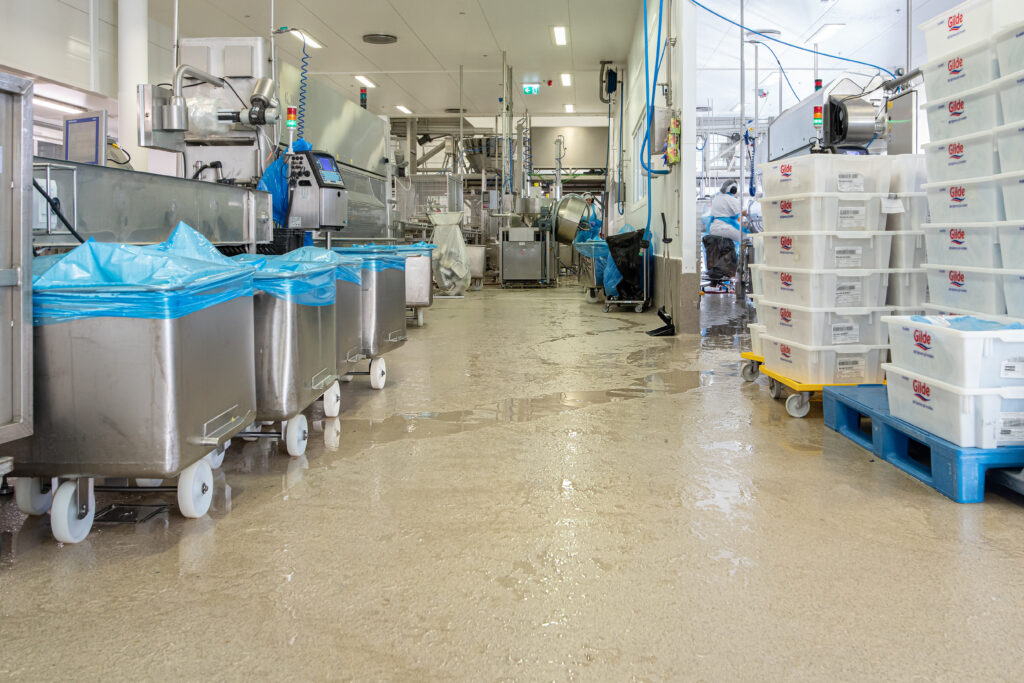
AcryliCon is an acrylic floor with a high proportion of binder relative to aggregate, the quartz and other fillers in the floor. According to our article on non-porous and hygienic floors, this balance gives a sealed floor without pores or air pockets where bacteria can attach. A sealed surface is easier to keep clean.
At the wall, the floor can continue up into a cove base skirting, a rounded skirting that forms one piece with the floor. Chemical bonding gives a continuous junction with no joint. Décor System is supplied with this type of skirting and with slip resistance in the grade required.
Many production areas need falls to drains or levelling before the new floor is laid. Levelling Screed is used for creating falls to drains, levelling uneven substrates and as a substrate for AcryliCon systems, in thicknesses from 5 to 550 mm. AcryliCon’s certified dealers also handle groundwork such as levelling and drain casting.
AcryliCon is ready for full use 1–2 hours after installation is complete. Curing is only one part of the schedule. Removing the old floor, preparing the substrate and installing the new system take additional time. The overall schedule therefore needs to be assessed for each facility.
For cold rooms and freezers, special versions can be installed at temperatures as low as −25 °C. What suits your facility is assessed for the chosen system and substrate. Industry System is designed for heavy mechanical wear and is suited to cold storage rooms, among other uses.
Curing times and temperature requirements vary between flooring systems. Check the technical data sheet for each system you are considering. Look in particular at when the floor can take foot traffic, cleaning and full loads, because the waiting times can differ. Read about curing time.
According to our overview of certifications and approvals, AcryliCon is tested and approved according to TÜV Food Contact Certification (TÜV FCC). This means that larger vegetables and other foodstuffs can be stored or distributed directly on the floor without degrading the produce. Ask for the certificate for the system that will be installed.
The requirements for your premises depend on what you produce. The same applies to chemical resistance. The cleaning agents, their concentration and the temperature determine which system we recommend. We go through this with you before a choice is made.
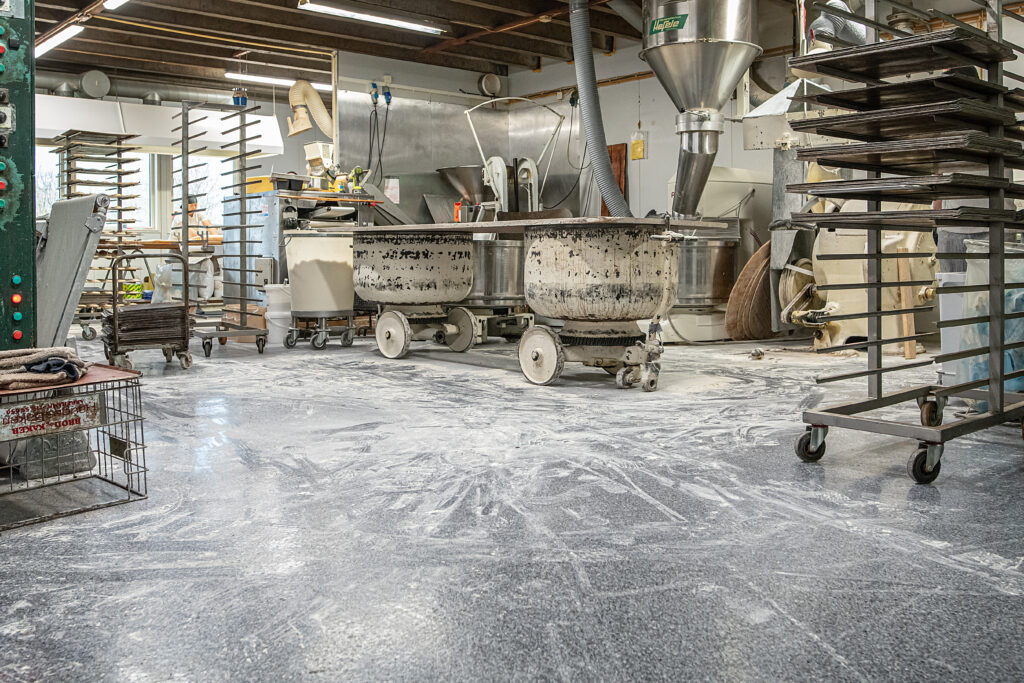
When the surface wears, the floor can be ground down and given a new top coat. The new layer bonds chemically to the existing floor, so the result is one integrated surface. This makes it possible to renew a production floor instead of removing it. Read about chemical bonding.
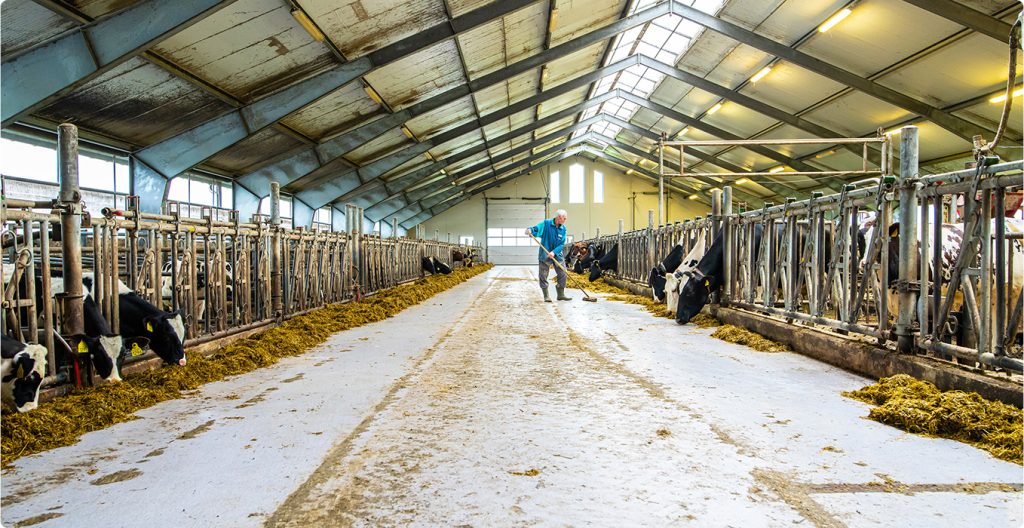
AcryliCon Décor System is designed for wet areas and heavy industry such as fish, meat and poultry processing, bakeries, breweries, dairies and kitchens. Wall System can be combined with the floor to create a continuous floor-to-ceiling surface. Industry System is used in cold stores and areas with heavy mechanical wear. All are acrylic systems with short curing times. We survey the premises and recommend a system, skirting and level of slip resistance based on how each area is used.
Why a sealed floor without pores is easier to keep clean in food production.
Read more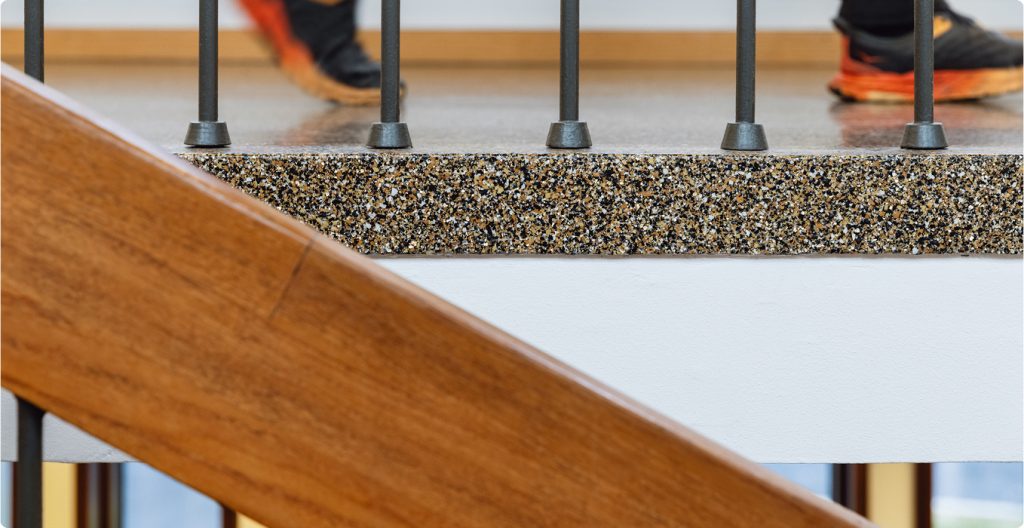
What curing time means for the schedule, alongside preparation and installation.
Read more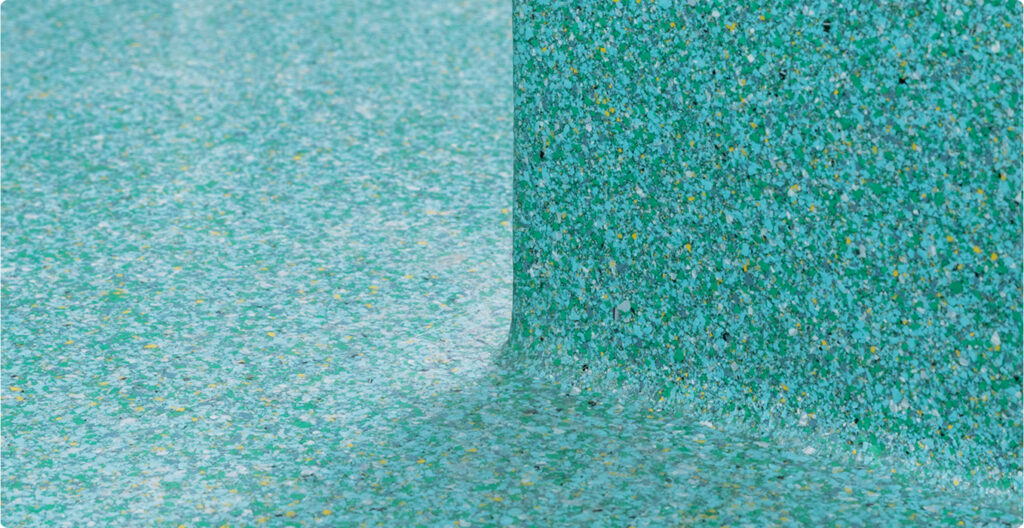
An overview of certifications and approvals, including TÜV FCC for food contact.
Read more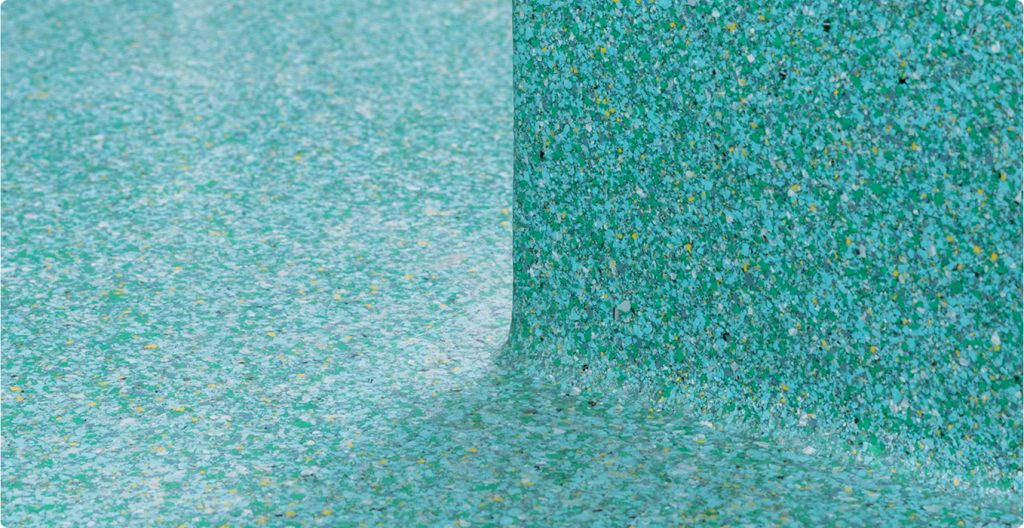
How the layers of the floor bond to each other and to the substrate.
Read moreFind your local AcryliCon contact to discuss the rooms, surface finish and installation schedule for your project.
Find your local contact